Generative AI in medical documentation processing

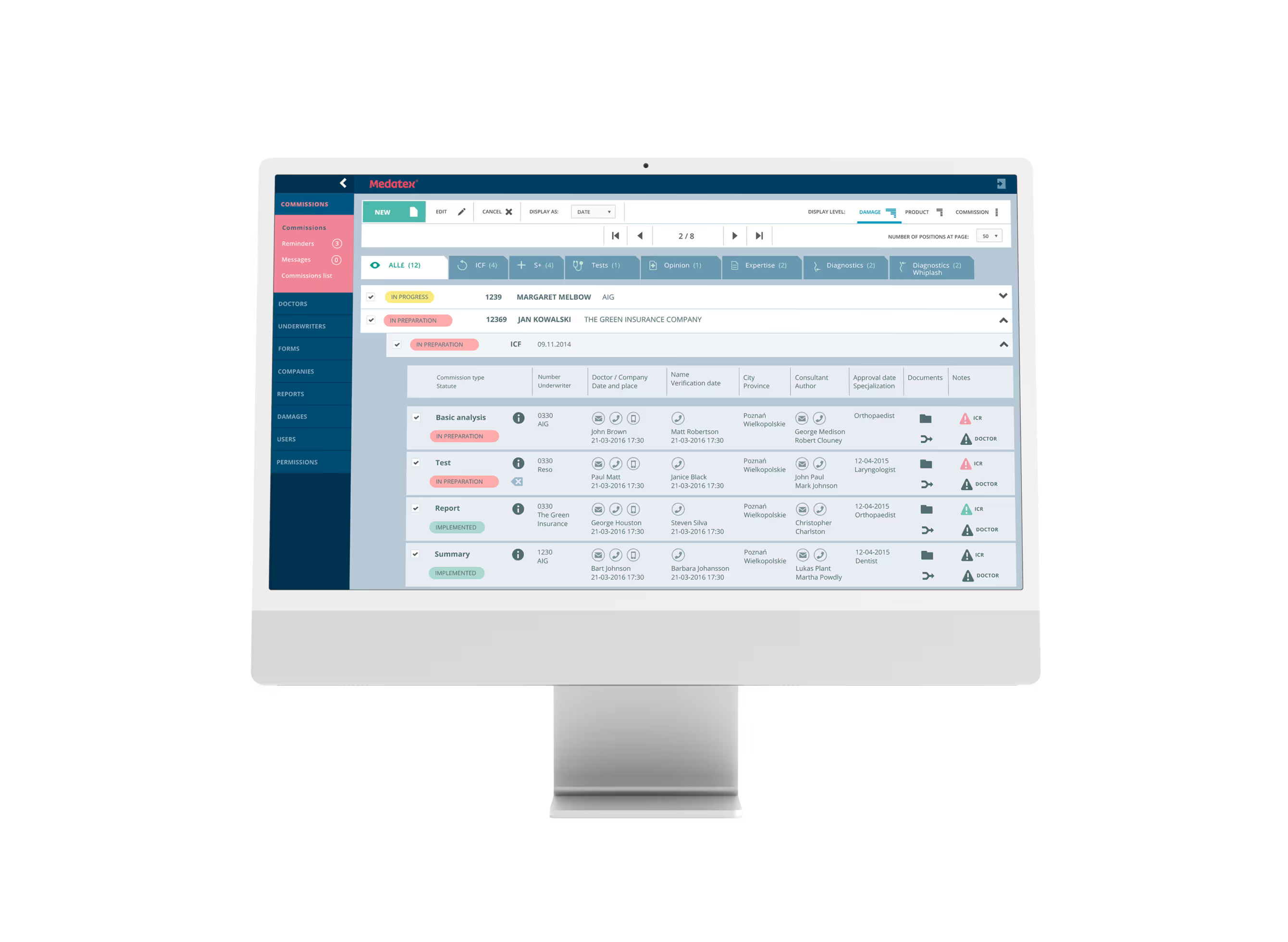
The project was designed to transform the health claim processing workflow from a labor-intensive task into an automated, efficient system. The system digitizes documents, categorizes them, extracts key facts, and generates medical summaries and reports.
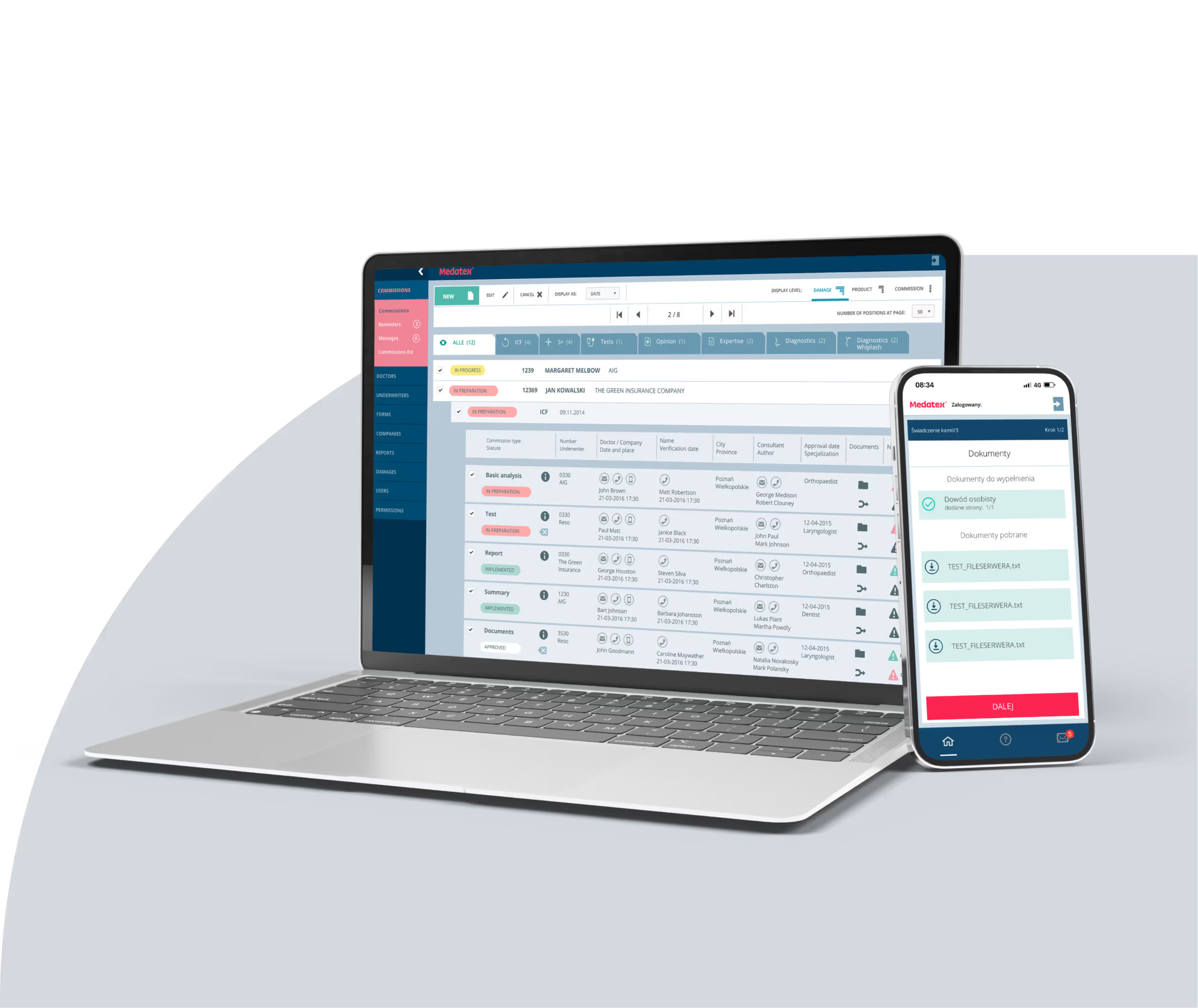
Project
Overview
Project Description
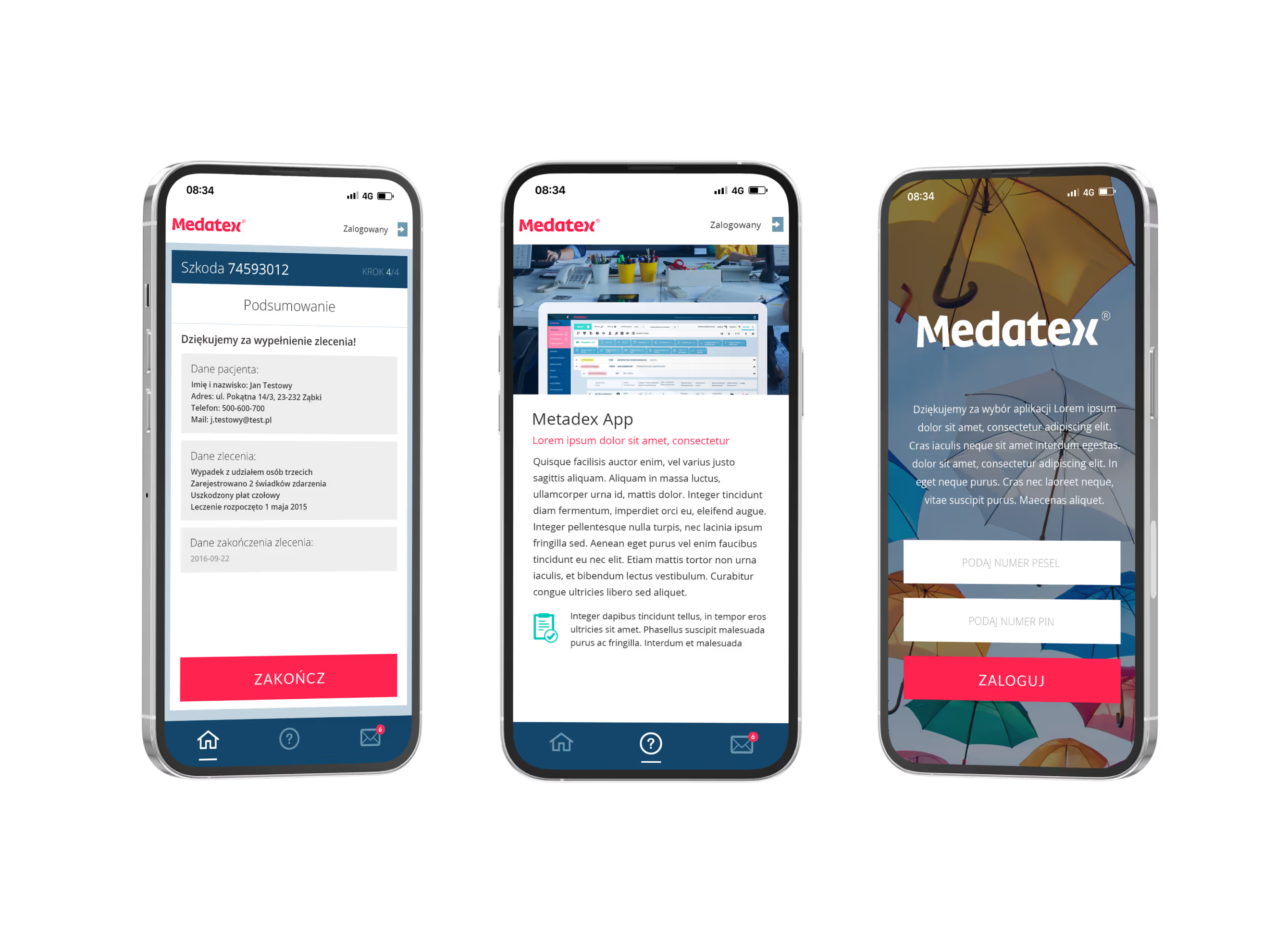
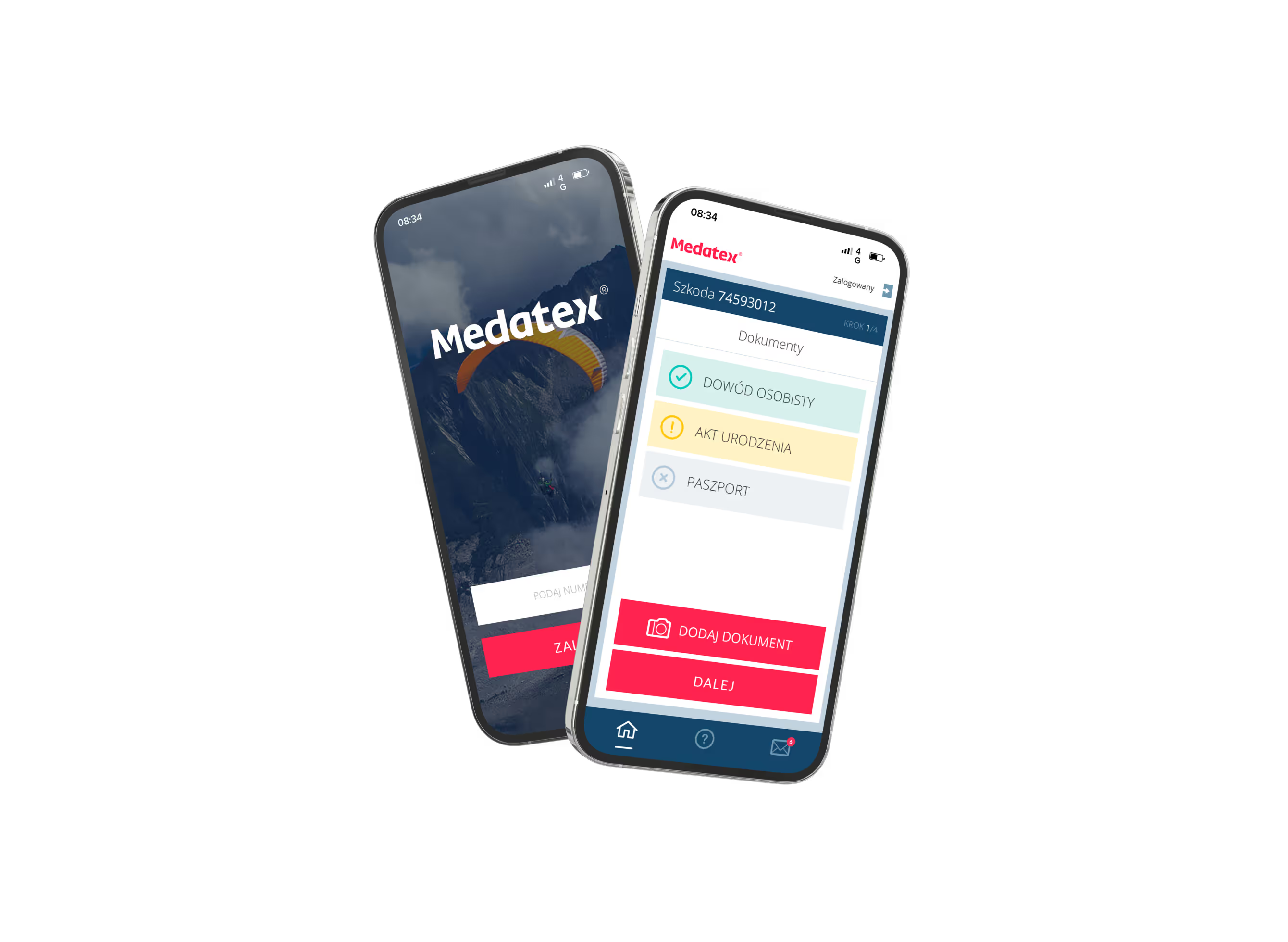
Medatex is a leading insurance claim management solution used by over 50 insurance companies in Europe. The process involves handling claims based on legal, medical, and insurance standards, providing adjusters with analytical solutions for assessing the situation of the injured parties and the extent of their damages and enabling the automatic generation of documents, including templates for correspondence with the injured party or their representative, as well as decision templates. The goal of this pilot project was to automate the health claim dispatch process to assess potential gains in process efficiency and time savings.
The business objective: The pilot project's goal was to automate the health claim dispatch process to assess potential gains in process efficiency and time savings.
About The Problem
In the healthcare sector, the dispatch of health claims involves processing an extensive array of documents, including medical reports, examination results, lab tests, medical procedures, and billing information. Traditionally, this process has been manual, time-consuming, and prone to errors, leading to delays in claims processing and increased operational costs.
The project aimed to:
- leverage Generative AI and Optical Character Recognition (OCR) technologies
- automate the health claim dispatch process
- enhance efficiency, accuracy, and patient satisfaction.

Key
Features

OCR implementation

Generative AI

API workflow

GDPR/HIPAA compliance
Project Timeline
Ideation
During the initial phase, we performed a business analysis and established a clear problem definition, including success criteria for the customer. Our analysts documented the current business process of claim management, highlighting the predominance of manual tasks. We detailed each step of the process, specifying the input and output, and also created a set of test data.
Proof of Concept
In this phase, we deployed various prototype solutions to assess top generative AI engines, aiming to choose the one that aligns with both customer needs and process requirements. We developed precise automated test cases to investigate the limits of accuracy and efficiency. We also established an automated system for processing documents and extracting facts. A thorough analysis of the outcomes was conducted alongside detailed statistical evaluations.
MVP Development
The objective of the upcoming phase is to implement the solution on a small scale with actual cases, while also focusing on refining the model and improving cost efficiency. All data will continue to be reviewed through a human-assisted process.
Project
Tech Stack

OpenAI

Nvidia

JavaScript

Java

Python

Tesseract
Project
Tool Stack

Jira Cloud

Confluence Cloud

Slack
Project
Gallery
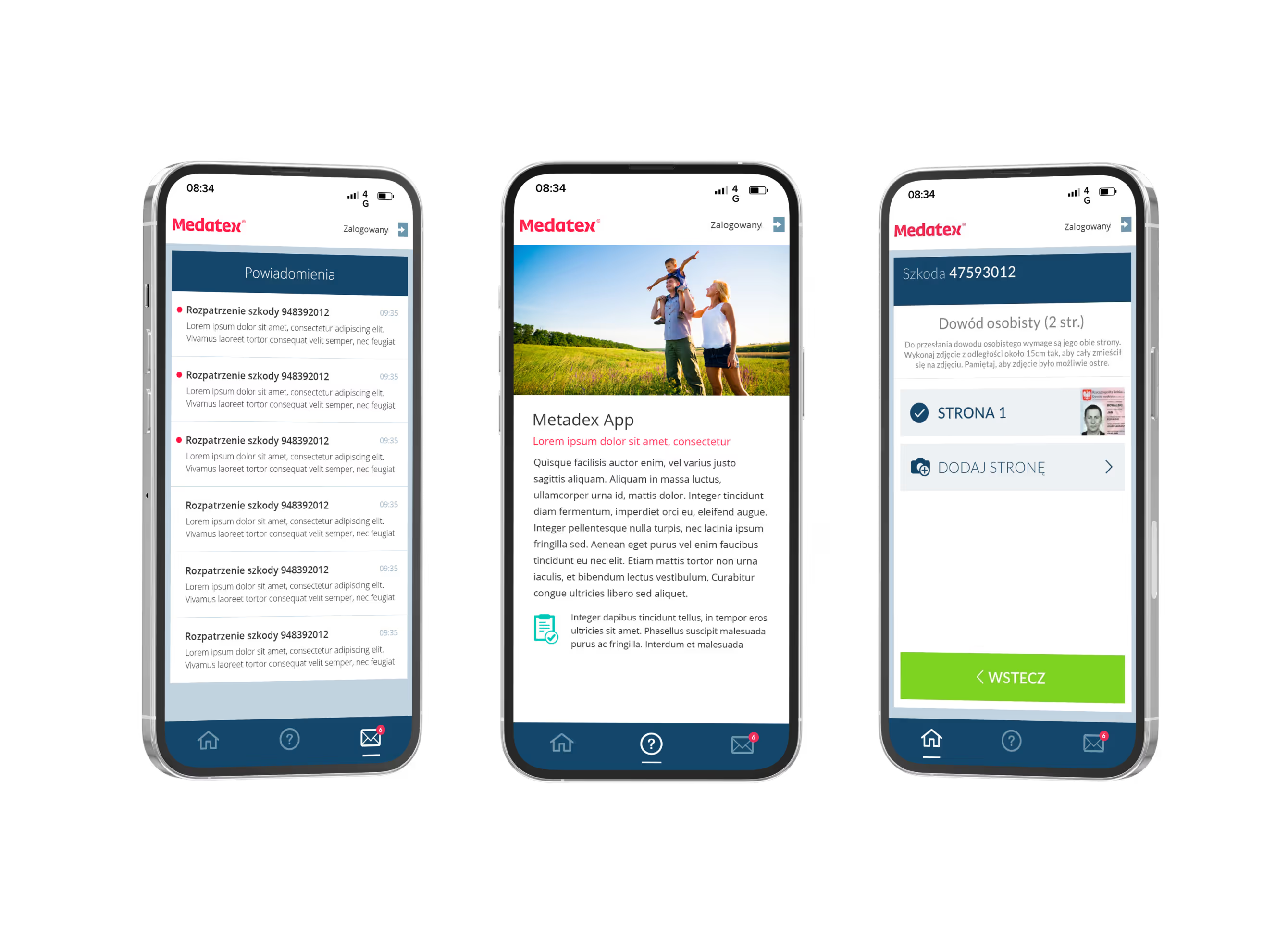
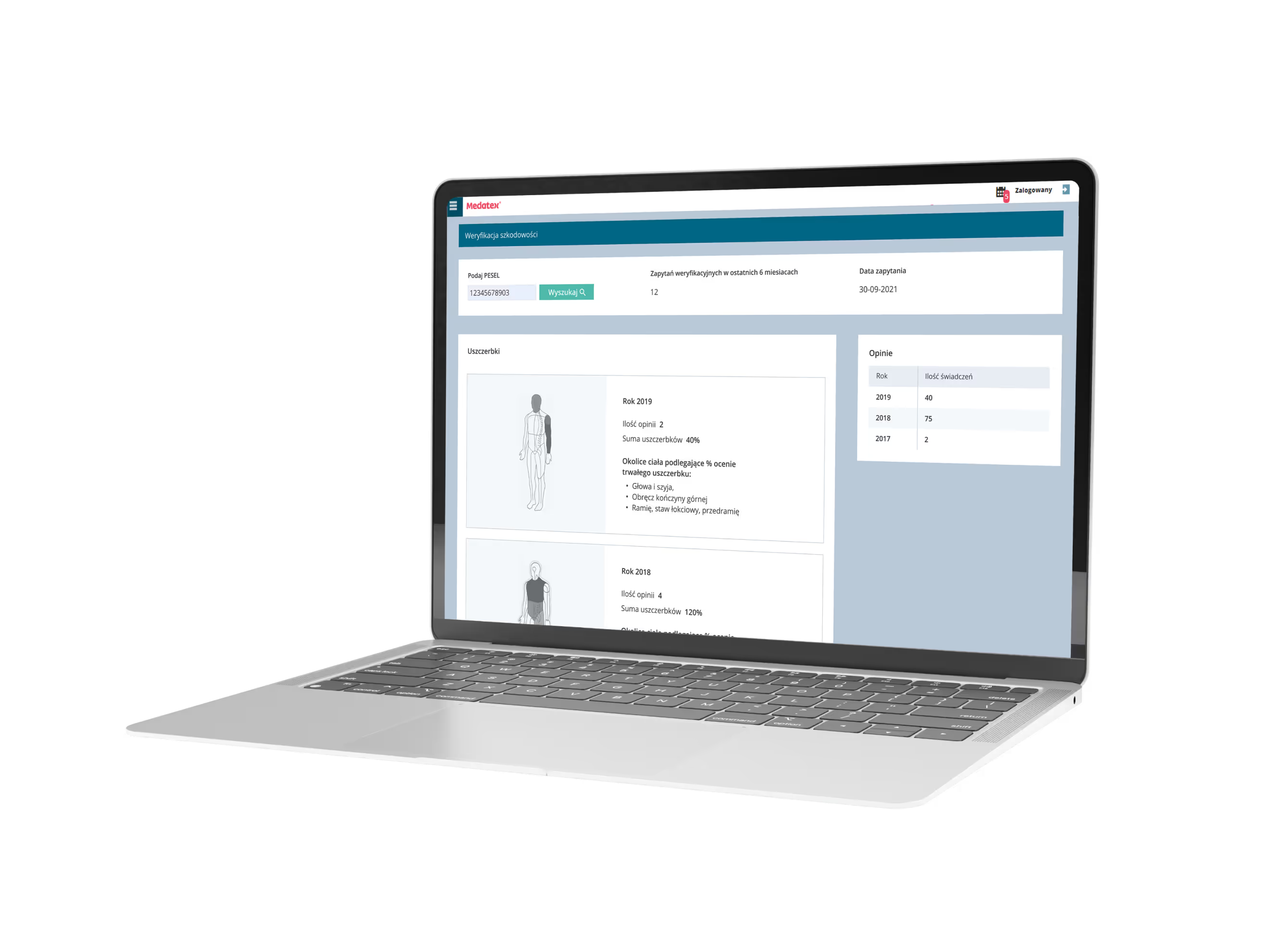
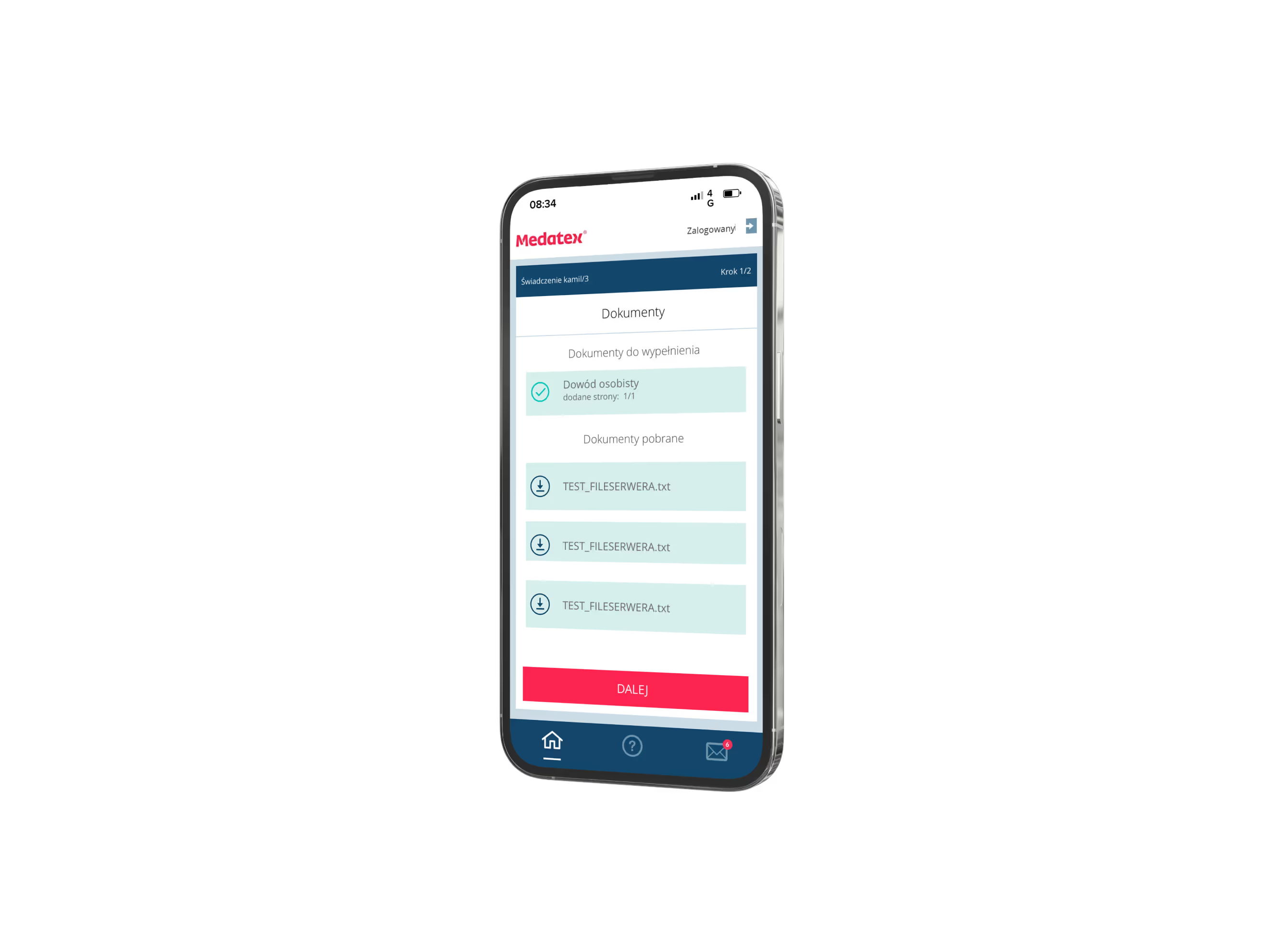
Reach
Us

Joanna Kasprzak
Chief Operating Officer
Joanna Kasprzak
Chief Operating Officer
Joanna Kasprzak, Ph.D. in Bioinformatics, is a specialist in data simulations and algorithms. In Apzumi, she has led over 30 successful Digital Health applications as a Project Manager or Product Owner.

Sebastian Zarzycki
Chief Technology Officer
Sebastian Zarzycki
Chief Technology Officer
Sebastian Zarzycki, MSCS in Software Engineering, has over 18 years of experience in designing, architecting, implementing and overseeing software. He's involved in all key Apzumi projects.